
Rewiring, Outlets and Switches in the West Valley
Outlets and switches are the parts of your electrical system you touch every day, and they wear out. A loose receptacle, a switch that sparks or a two prong outlet that cannot take a modern plug are all signs the wiring behind them needs attention. Vortech replaces outlets and switches, installs GFCI and USB outlets, adds new ones where you need them, and rewires circuits and rooms when old wiring is past its useful life.
In many West Valley homes, the wiring is the age of the house. Sun City homes date back as far as the 1960s, and Sun City West began in 1978, so original wiring, ungrounded outlets and overloaded circuits are common. Part of our job is telling you what is a simple device swap and what is a signal that a circuit needs to be rewired, so you spend money where it matters.
When to Call
- Outlets that are loose, cracked, warm, or leave plugs hanging out
- Two prong outlets without a ground in a home with modern electronics
- Switches that crackle, feel hot, or work only some of the time
- Not enough outlets, with extension cords and power strips everywhere
- Kitchen, bath, garage or outdoor outlets without GFCI protection
- Aluminum or cloth covered wiring found during a remodel
What a Visit Covers
- Testing of outlets and circuits for power, polarity and ground
- Replacement of worn outlets and switches with quality devices
- GFCI or AFCI protection added where required or recommended
- New outlets or switches added where you need them
- Repair or replacement of damaged wiring runs
- Coordination with drywall patching when walls are opened
- Final testing of every device before we leave
How the Job Goes
- Inspect and testWe test the outlets and switches in question and check the circuit for grounding, polarity and condition, so we know if this is a device or a wiring issue.
- Recommend the scopeWe explain whether a simple replacement is enough or whether a circuit or room needs rewiring, and what protection devices code expects. We never recommend more work than your home actually needs.
- Do the workWe replace devices, install new boxes and run new wire, keeping disruption low and protecting your floors and furniture. Where walls are opened, we plan the route to keep patching small and tidy.
- Test and close upWe test every device and circuit, confirm protection devices trip correctly, and restore the area, with patching coordinated if walls were opened. You get a working, protected circuit and a clear note of what was done.
Why This Matters in Arizona
Arizona's heat is hard on wiring and devices. Attic temperatures push insulation to age faster, and years of air conditioning loads on shared circuits wear connections loose. Older homes in Sun City, Sun City West, central Glendale and parts of Peoria were built when a house had fewer outlets and fewer high draw appliances, so they often have ungrounded two prong outlets, too few receptacles, and original wiring that has been running a long time. Add the dust of the desert and the occasional monsoon surge, and devices fail sooner. Updating outlets, switches and tired circuits is a practical way to make an older Arizona home safer and ready for modern use.
Grounding, GFCI and AFCI Protection
Older outlets are often two prong, which means no ground path. When there is no ground wire, we can protect the circuit with a GFCI outlet, which shuts off power when it detects current leaking, and label it as ungrounded where code requires. This is safer than simply installing a three prong outlet that has no ground behind it. We label the receptacle accordingly so the next person knows what to expect.
Current code expects GFCI protection in kitchens, bathrooms, garages, outdoors and other wet areas, and AFCI protection in many living areas to guard against arcing faults. Adding these protections to an older circuit sometimes means a protective breaker at the panel or a device at the first outlet. We explain what applies to your project. Which of those applies depends on the circuit, and we explain it before we start.
When Rewiring Makes Sense
Not every old house needs rewiring. Rewiring is worth considering when wiring is damaged, brittle, or of a type known for problems, when circuits are overloaded beyond what devices can fix, or during a remodel when walls are already open. Often a targeted rewire of a problem circuit solves the issue without touching the whole house. Often it is the smaller option, and we tell you when it is. Ask us about it either way.
Cost depends on the number of circuits, how accessible the walls and attic are, the type of existing wiring, whether the panel needs work, and the finish repair afterward. Permits are required for new circuits and rewiring in most cases, and inspections confirm the work. We scope the job carefully so you can compare options and decide. That lets you compare a targeted fix against a larger project with real information in hand.
Recent Vortech Work
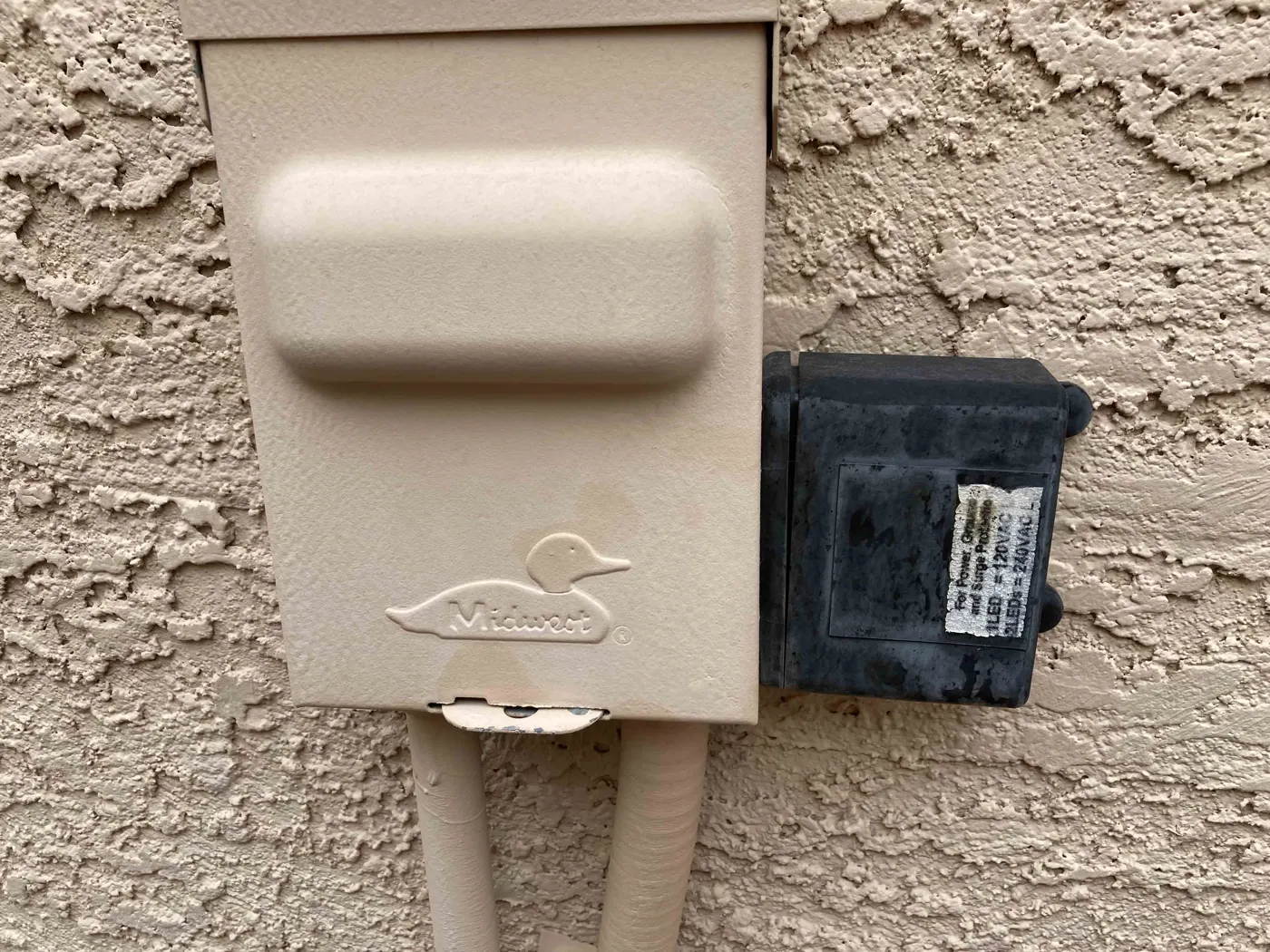
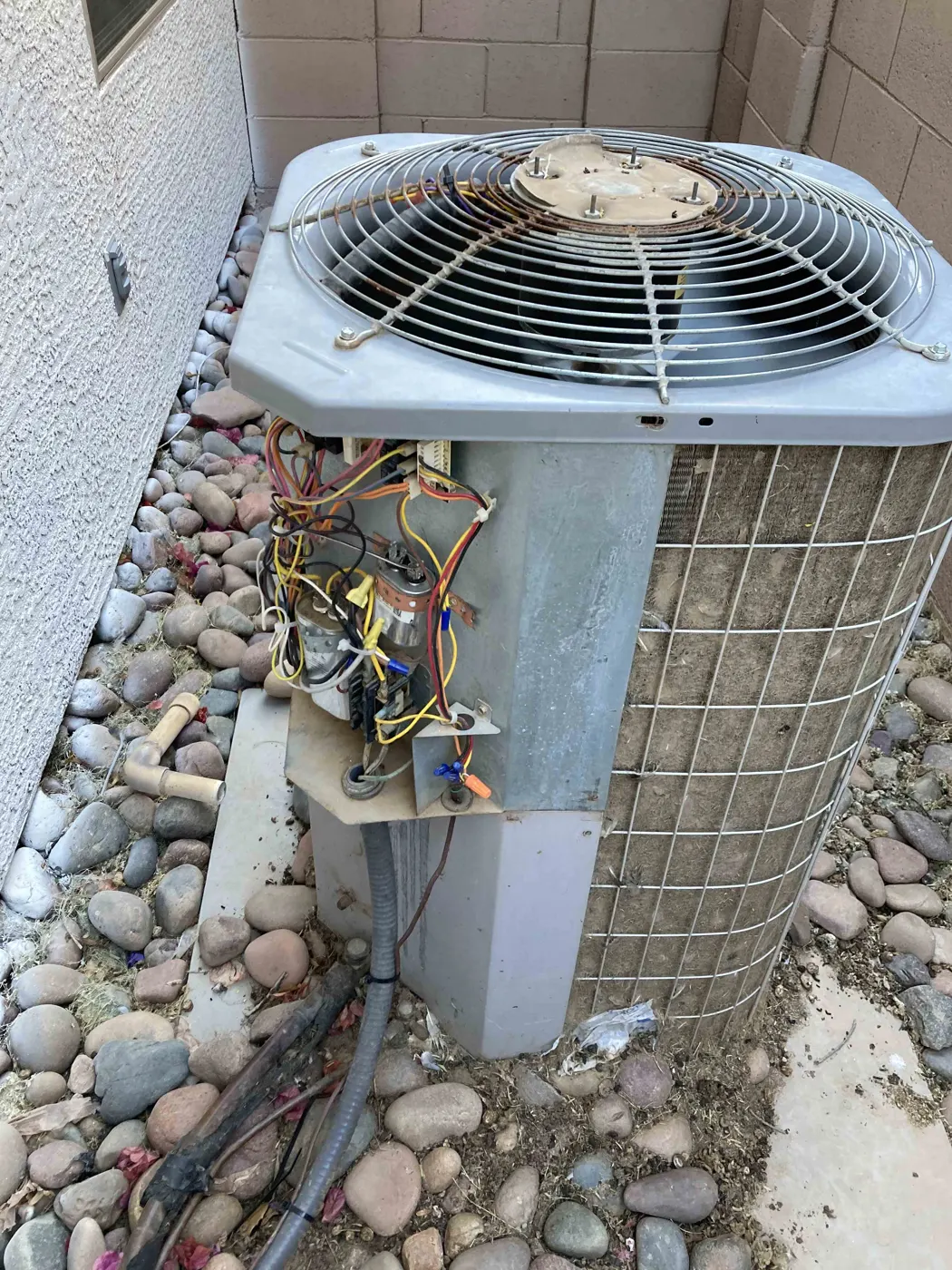
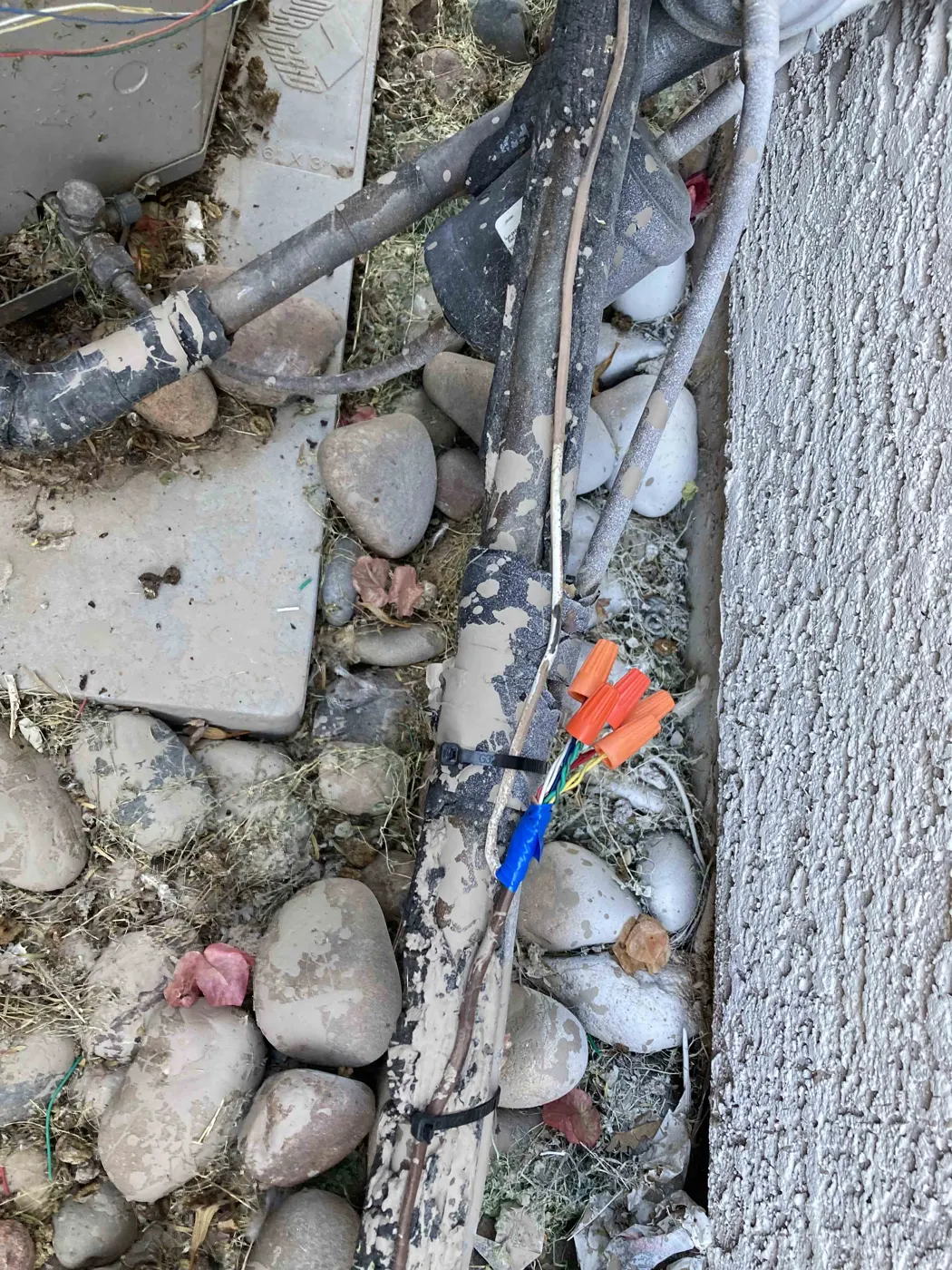
Most Asked Questions About Rewiring, Outlets & Switches
What homeowners search for most, answered.
How do I rewire a house?
Rewiring a house means replacing old branch circuit wiring with new cable, usually along with new boxes, devices and often a new panel. It is a licensed electrician project, not a homeowner project, and it requires a permit and inspection. An electrician surveys the existing wiring, plans new circuits to current code, runs cable through walls and attics, installs grounded outlets, GFCI and AFCI protection where required, and then repairs access holes. Partial rewiring, one circuit or room at a time, is common. A full rewire is worth considering with signs like aluminum branch wiring, cloth covered wire, ungrounded outlets, frequent tripping or scorched devices. We start with an inspection and a written scope so you know what is needed.
How much does it cost to rewire a house?
The cost to rewire a house depends on the home's size, the number of circuits and outlets, how accessible the walls and attic are, the type of existing wiring, and whether the panel also needs replacing. Single story slab homes with attic access are generally easier than multi story homes or houses with finished ceilings. Permit and inspection fees, drywall repair and paint, and any code upgrades like added GFCI or AFCI protection also affect the total. Two houses of the same square footage can differ widely. The only reliable number comes from an on site assessment. We walk the home, explain each factor, and give a written estimate so there are no surprises.
When was aluminum wiring used in homes?
Aluminum branch circuit wiring was used in many American homes built roughly from the mid 1960s through the mid 1970s, when copper prices drove builders to switch. Because Sun City began in 1960 and Sun City West in 1978, some West Valley homes from that era may have it, though many do not. Aluminum expands and contracts more than copper, which can loosen connections over time and cause heat at outlets and switches. You can often spot it by markings on the cable jacket reading AL or aluminum, or by looking at the wire in the panel. If you are unsure, have a licensed electrician inspect it rather than guessing.
How do I replace an outlet?
Replacing an outlet means swapping the device in an existing box for a new one of the same type, and it is manageable for a careful homeowner when the wiring is modern and in good condition. Turn off the breaker, confirm the outlet is dead with a tester, photograph the wiring, and match the new outlet to the circuit rating. Stop and call a licensed electrician if you see aluminum wire, cloth covered insulation, burnt or discolored wire, no ground, or a box that is too full. Any outlet that is warm, sparks or smells hot should not be used. Kitchens, bathrooms and outdoor outlets require GFCI protection, which is a different device than a standard receptacle.
Frequently Asked Questions
Can I replace two prong outlets with three prong outlets?
Only if there is a proper ground, or if the circuit is protected by a GFCI outlet labeled as having no equipment ground. Simply swapping to a three prong outlet without a ground is unsafe and not allowed. We check the circuit and install the compliant option.
Why is my outlet warm to the touch?
A warm outlet usually means a loose connection, a worn device, or too much load on the circuit. Heat can lead to melted insulation and fire, so stop using it and call us. A quick test and replacement often solves it, but we check the wiring behind it.
How do I know if my house needs rewiring?
Signs include frequent breaker trips, flickering lights, scorched outlets, brittle or cloth covered insulation, and aluminum branch wiring. Having an electrician test and inspect the circuits is the only reliable way to know, and it often shows that only part of the house needs work.
What does a GFCI outlet do?
A GFCI outlet monitors current and shuts off power in a fraction of a second if it senses electricity leaking, such as through water or a person. That is why it is required in kitchens, bathrooms, garages and outdoors. It has test and reset buttons you should press monthly.
Can you add outlets where I do not have any?
Yes. We can add outlets by extending an existing circuit or running a new one, depending on the load and the wall access. We also add USB outlets, dedicated appliance circuits and outdoor receptacles, and we explain the best way to route the wire.
Will rewiring tear up my walls?
Not necessarily. Electricians often fish new wire through walls and attics with small access holes, which keeps damage down. Some situations need larger openings. We plan the route to minimize patching and tell you ahead of time what to expect.
AC down or electrical acting up?
Call now or request a visit. Licensed in both air conditioning and electrical, so one company handles it.